Mold Testing

Do i need mold testing?
It's a common question we hear during a home inspection.
The truth is, mold spores are a natural part of our environment. They're present indoors and outdoors and can enter your home through open windows and doors, your HVAC system, on clothing, shoes, pets, and everyday household items, but elevated mold growth indoors can indicate an underlying moisture problem and may affect indoor air quality.
The key isn't whether mold spores exist, it's whether conditions inside the home are allowing mold to grow. Because mold isn't always visible, professional testing can help identify concerns that may not be obvious during a visual inspection.
At RC Fields, we combine a careful visual evaluation with professional sampling techniques to help determine whether mold may be present and whether additional evaluation or remediation should be considered.


consider mold testing if:
Your home has experienced water damage or flooding
You notice persistent musty or earthy odors
You're buying a home and want additional peace of mind
There are visible signs of discoloration or suspected mold growth
You have concerns about indoor air quality
A plumbing leak, roof leak or other water intrusion has occurred
The home has been vacant for an extended period of time
Moisture or humidity problems have been identified
other contributing mold factors:
HVAC, Plumbing and Venting Issues
Deteriorating or missing exterior components like roofing and siding materials, windows, gutters and other grading deficiencies
Elevated RH (humidity) or condensation
Suspect mold in your home?
Whether you've noticed a musty odor, experienced water damage, or simply want peace of mind, professional mold testing can help identify potential mold concerns and provide the information you need to make informed decisions.
OUr
mold
Testing
Process
Every home is different, which is why our testing process begins with a careful evaluation of the property's condition. We combine a visual inspection with professional sampling techniques and independent laboratory analysis to provide accurate, reliable results you can trust.
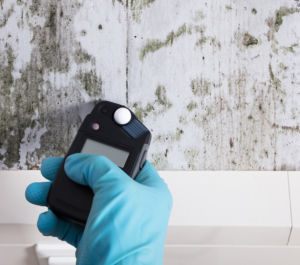
1. Visual Assessment
We begin by looking for visible signs of moisture intrusion, water damage, staining, or conditions that may support mold growth.
2. Moisture Investigation
When appropriate, we evaluate areas that appear to have elevated moisture levels or conditions conducive to mold growth.
3. Non-Invasive Air & Surface Sampling
Depending on the property and your concerns, we may collect:
Air Samples: Used to evaluate airborne mold spores and compare indoor conditions to outdoor conditions.
Surface Samples: Collected from visible growth or suspect materials to help identify the type of mold present.
4. Laboratory Analysis
Samples are sent overnight to an independent accredited laboratory for professional analysis.
5. Detailed Results
Once laboratory testing is complete, you'll receive a report explaining the findings and any recommendations, if necessary, typically within 24 - 48 hours of sampling.
Stachbotrys
Chaetomium
Alternaria
Aspergillus
Penicillium
Clasdosprium
Mold testing may identify one or more common mold genera that naturally occur in both indoor and outdoor environments. The presence of these molds doesn't automatically indicate a health hazard, but elevated levels or active indoor growth may suggest a moisture problem that should be addressed.
Common Types of Mold:
One of the most common molds found both indoors and outdoors. It often grows on wood, fabrics, and HVAC systems in areas with elevated moisture.
Frequently found in water-damaged materials such as drywall, insulation, carpeting, and wallpaper. It spreads easily through airborne spores.
A common indoor mold that can grow on a variety of damp building materials, including drywall, insulation, and dust.
Often found in damp areas such as showers, around windows, under sinks, and anywhere moisture is consistently present.
Typically associated with prolonged water damage and may be found on drywall, wood, or other cellulose-based materials after significant moisture intrusion.
Often referred to as "black mold," this mold typically requires prolonged moisture to grow, is less commonly found than many people believe, and is often associated with water-damaged drywall, wood, and other cellulose-based building materials.
Can Mold Affect Your Health?

Everyone responds differently to mold exposure. Some people may experience no symptoms, while others, especially those with allergies, asthma, or weakened immune systems, may be more sensitive.
Exposure can contribute to symptoms such as nasal congestion, coughing, throat irritation, wheezing, or eye and skin irritation. In some cases, symptoms may be more noticeable or persistent for individuals who are particularly sensitive to mold.
If you have concerns about mold-related health effects, consult your healthcare provider.
No Moisture.
No Mold.

That's why identifying and correcting the source of water intrusion is one of the most important steps in preventing future mold growth.
Testing can tell you what's present, but solving the moisture problem is what helps prevent it from coming back.
At RC Fields, we take a comprehensive approach to mold testing. We begin with a careful evaluation of the home, collect samples when appropriate, and work with an independent laboratory to provide accurate results and easy-to-understand reporting, so you can move forward with confidence.
Mold doesn't grow without moisture.
why moisture matters
Finding mold is only part of the story.
The underlying moisture issue, whether it's a roof leak, plumbing issue, condensation problem, or poor ventilation, should also be identified and corrected to help prevent future growth.
If you're purchasing a home, investigating a moisture concern, or simply looking for peace of mind, RC Fields provides professional mold testing and clear, easy-to-understand results to help you make informed decisions.


common Areas we test:
Bathrooms, Kitchens & Under Sinks
Basements, Crawlspaces & Attics
Laundry & Mechanical Rooms
HVAC components (when accessible)
Areas with Previous Water Damage
Moisture is the real problem. Mold needs moisture to grow. The most effective long-term solution is identifying and correcting the source of the moisture, then addressing any affected materials.
Many types of mold are common in the environment. The key is identifying elevated indoor growth, understanding the conditions that allowed it to grow, and addressing the source of the moisture.
Every Mold is Toxic.
Bleach may remove mold on certain non-porous surfaces, but on porous building materials like wood, drywall, or carpet, mold sends microscopic roots deep into the material. The chlorine in bleach stays on the surface and evaporates, while the water (~90%) soaks into the porous material and feeds the underlying mold roots, causing it to grow back stronger later.
Bleach Solves Mold Problems.
Mold can grow behind walls, under flooring, in attics, and other concealed areas where moisture is present. While musty odors can be a sign of mold, not all mold produces a noticeable smell or visible appearance.
If I Can't See Mold or Smell Mold,
I Don't Have Mold.
FACT
MYTH
the big picture
The presence of mold is often a symptom of an underlying moisture problem.
Identifying and correcting the source of moisture is the most important step in preventing future mold growth and protecting your home's indoor environment.
Simply cleaning or removing visible mold without correcting the moisture source can allow it to return.
Fresh air may help reduce humidity in some situations, but it won't remove mold that's already growing on building materials.
The big picture is simple: control the moisture, address the affected materials, and take steps to keep the area dry.
Common Mold Misconceptions
Mold is the Problem.
You Can Identify Mold by Looking at It.
Mold Testing is Always Necessary.
Not every situation requires testing. In some cases, correcting the moisture issue and properly addressing visible mold may be the best course of action. Testing is most valuable when mold is suspected but not visible, when there's a persistent musty odor, when indoor air quality is a concern, or when laboratory documentation is needed.
Mold cannot be accurately identified by appearance alone. Laboratory analysis is needed to determine the type of mold in a sample.
Why choose RC FIELDS?

the rc fields difference:
Thorough Evaluations: We don't just collect samples, we evaluate the home for conditions that may contribute to mold growth.
Independent Laboratory Testing: Samples are analyzed by an independent laboratory to provide objective results.
Easy-to-Understand Reports: We explain the findings in clear language so you can better understand your home's condition.
One Convenient Appointment: Bundle mold testing with your home inspection, radon monitoring, sewer scan and chimney inspection.

mold resource Center
Whether you're purchasing your first home, investigating a musty odor, or simply looking to learn more about mold, we're here to help. Explore our collection of educational resources to better understand mold, moisture, indoor air quality, and how to help protect your home.
To ensure accurate and unbiased results, all mold samples collected by RC Fields are analyzed by PRO-LAB®, an accredited environmental testing laboratory specializing in mold identification and indoor environmental analysis.


