Inspection & Radon Services in St. Paul & Minneapolis, MN

Southeast Metro
-
Woodbury
-
Lake Elmo
-
Maplewood
-
Cottage Grove
-
Eagan
-
Apple Valley
-
Burnsville
-
Lakeville
-
Farmington
Southwest Metro
-
Eden Prairie
-
Minnetonka
-
Edina
-
Bloomington
-
Chanhassen
-
Victoria
-
Shakopee
-
Savage
-
Prior Lake
-
Blaine
-
Coon Rapids
-
Andover
-
Lino Lakes
-
Shorview
-
Roseville
-
White Bear Lake
-
Stillwater
-
Forest Lake
Northeast Metro
Northwest Metro
-
Rogers
-
Otsego
-
Dayton
-
Maple Grove
-
Plymouth
-
Brooklyn Park
-
Champlin
-
St. Michael
-
Ramsey
Twin Cities metro & Beyond
RC Fields is here to help protect your family and secure your real estate investment by providing thorough property inspections, reliable radon testing and professional mitigation system installations throughout the Twin Cities Metro and beyond.
Whether you're buying a historic craftsman in South Minneapolis, a classic mid-century rambler in St. Paul, or a new build in the surrounding suburbs, we provide the thorough, unbiased information you need to negotiate with confidence, and buy or sell with peace of mind.
Our core Twin Cities service radius includes all neighborhoods across Minneapolis and St. Paul, as well as surrounding suburban communities throughout Hennepin, Ramsey, Anoka, Dakota, and Washington counties, including, but not limited to:
Historic Urban Homes
Pre - 1950'S

(Pre -1950): When inspecting properties in neighborhoods like South Minneapolis or St. Paul's Grand Avenue, we pay special attention to active knob-and-tube wiring, lead plumbing fixtures, galvanized steel plumbing, and aging clay tile sewer lines.
Because many older homes in Minneapolis and St. Paul feature mature, established trees and original clay or cast-iron sewer lines, we highly recommend adding a sewer scan to your general property inspection to check for intrusions, offsets or blockages.
mid-century suburban homes
1950's - 1980's

(1950s - 1980s): In established suburbs like Bloomington, Richfield, or Roseville, we pay close attention to aging galvanized plumbing, undersized electrical panels, and early poured-concrete or other block foundation issues.
Because these homes were built during a major boom period, we frequently encounter ungrounded two-prong outlets and deteriorated clay or transite heating ducts buried in concrete slabs.
Given the age of the mature landscaping in these neighborhoods, checking for root intrusion into the lateral waste line remains a critical priority.
Modern suburbs & newer Developments
1990's - 2000's
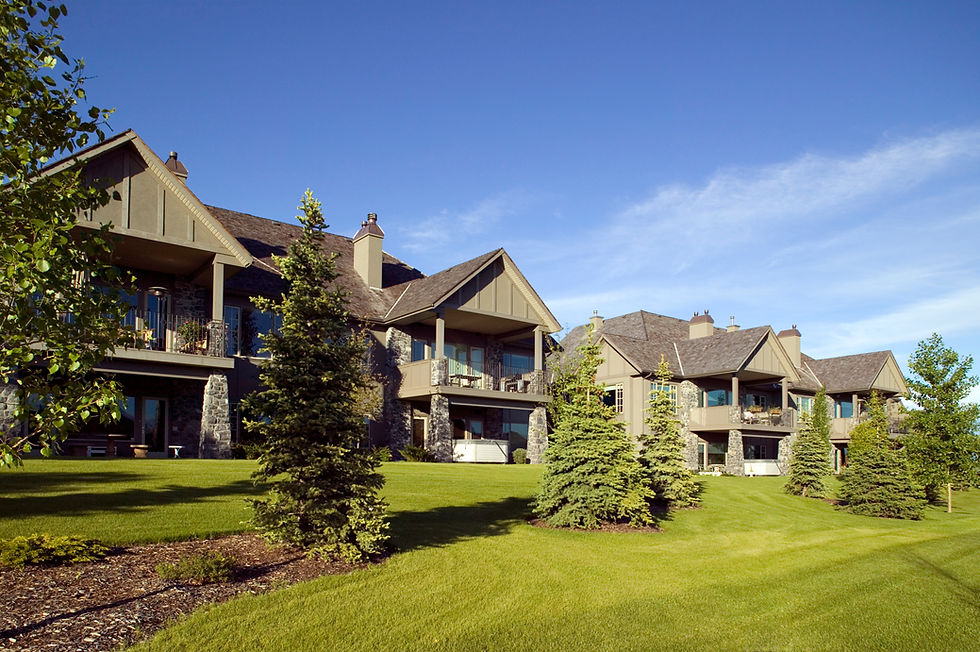
(1990s - 2000s): For newer homes in rapidly expanding outer rings like Plymouth, Woodbury, or Maple Grove, our focus shifts to engineered building components, complex roof lines, and early synthetic stucco (EIFS) or wood-composite siding. We carefully evaluate original, aging mechanical systems, like mid-efficiency furnaces and early polybutylene plumbing, that may be nearing the end of their operational lifespan.
Homes in this era were built tightly, but often lack advanced water-management systems, so we also look for hidden moisture intrusion around windows, improper deck ledger flashing, and imbalanced attic ventilation.
Testing for radon is important, no matter the age or condition of the home. More than 2 in 5 Minnesota homes test at dangerously high levels (4.0 pCi/L or more). Long heating seasons combined with tightly sealed homes means radon gas can get trapped and accumulate all winter long.
New construction
2025 - Present

(2025 - Present): Brand new doesn't mean perfect. In growing areas like Lakeville, Blaine, Carver and St. Michael, we look beyond the finishes to identify incomplete or improper work.
Because these homes feature advanced vapor barriers, continuous insulation, and high-efficiency HVAC systems, we pay strict attention to proper air-exchange balance, mechanical ventilation (HRVs/ERVs), and correct window flashing sequences to prevent long-term rot.
Even on a 'flawless' new build, human error during the construction rush can lead to structural shortcuts, missing attic insulation, or grading mistakes that fail to divert heavy Minnesota stormwater and snow melt away from the foundation.
radon
-
Minnesota's geology makes radon a common concern: 2 in 5 homes have elevated levels.
-
Radon can enter through the foundation, floor drains, sump pits, and other openings.
-
Testing is the only way to know your home's radon level.
-
A properly designed mitigation system can reduce elevated radon levels and protect your family from exposure.
water
-
Freeze/thaw cycles contribute to foundation & masonry concerns.
-
Heavy rain and snowmelt can expose drainage & grading problems.
-
Ice dams, condensation, and poor ventilation can contribute to moisture intrusion.
-
Minnesota basements and crawl spaces deserve particular attention.
hvac
-
Minnesota heating systems work hard through long, cold winters.
-
Furnaces, boilers, heat pumps, and ventilation systems need proper maintenance and operation.
-
Poor ventilation or humidity control can contribute to mold and moisture problems.
-
Older homes may have outdated or inefficient heating systems.
roofing
-
Snow, ice, wind, hail, and repeated freeze/thaw cycles can take a toll on roofing materials.
-
Flashing, penetrations, valleys, and roof-to-wall transitions are common areas of concern.
-
Ice dams can contribute to water intrusion when conditions allow.
-
Regular inspection can help catch small problems before they become expensive repairs.
homes in minnesota
Minnesota homes have their own problems. Freeze/thaw cycles, snow, ice, moisture, humidity, heavy rain, and seasonal temperature changes can all affect a home. That's why we pay particular attention to things like:
why rc fields?
Your home is the biggest purchase you'll ever make. We want you to feel confident about it.
At RC Fields, we believe attention to detail, education, and exceptional customer service are the foundation of every great inspection. We've been helping buyers, sellers, homeowners and agents throughout the Twin Cities and beyond make confident, informed decisions since 2010.
Think of it as Home Owner 101 - you'll receive helpful resources, useful tips and tricks related to your home, and real world advice from an experienced inspector who cares. We don't rush our inspections. We take the time to explain every issue and answer every question we can.
Easy Scheduling
Excellent Communication
Ongoing Support
Fast Reports
Friendly, Experienced Inspectors
7 Days a Week
What You'll receive
After your inspection, you'll receive a comprehensive digital report complete with:
Our reports are designed to be easy to read, easy to share, and easy to reference long after your inspection is complete. You will also receive a complimentary Haven account full of helpful details and services regarding your home, in addition to your general property inspection report.
Remember, A Home Inspection Isn't a Pass or Fail Test. The reality is, every home has defects, even brand-new construction. We're here to help you understand the home's current condition, identify significant concerns, explain routine maintenance items, and give you the information you need to make confident, informed decisions.
Please note: Some additional services, such as radon testing and mold testing, require laboratory analysis or extended monitoring. Those results may be delivered separately from your general property inspection report.
High Resolution Photos
Safety Observations
Helpful Explainations
Detailed Descriptions of Findings
Suggested Recommendations
A Summary of Significant Concerns
